
Services
Dental Bridges in Westerville, OH

A gap where a tooth used to be affects more than your smile. It can shift the teeth around it, throw off your bite, and make chewing and clear speech harder than they should be. At Stefan Family Dental in Westerville, OH, we rebuild those gaps with custom dental bridges that look natural and bring back full function. If you have been working around a lost tooth, our team is here to explain your choices and restore a smile you feel confident sharing.
Your Trusted Westerville, Ohio Dental Office
What Is a Tooth Bridge?
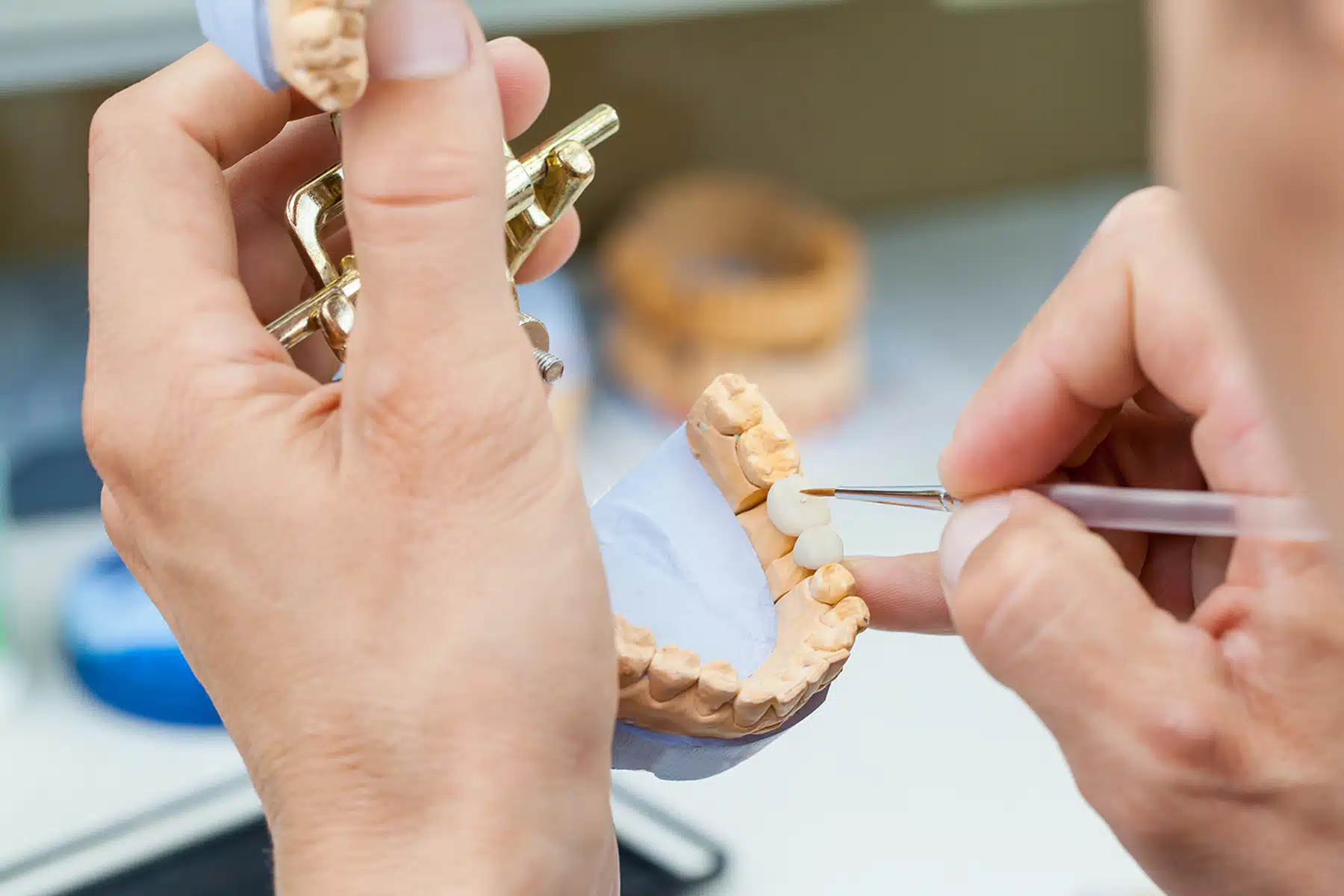
A tooth bridge is a fixed restoration that fills the space left by one or more missing teeth. It relies on two supporting anchors, called abutments, on each side of the gap to hold a set of artificial teeth, called pontics, securely in place. Because the restoration is cemented rather than removable, it stays put while you eat, talk, and laugh, unlike a partial denture that comes in and out. The finished result blends with the shade of your natural teeth and gives your mouth back its shape and strength.
What Types of Bridges Can Replace Missing Teeth?
The right design depends on where the gap sits and how healthy the neighboring teeth are. We review your restorative dentistry options during your visit and match the approach to your bite, your budget, and your long-term goals. In some cases a combination of these designs works best, and we take time to show you models and images so the plan makes sense before we begin. The most common designs include:
- Traditional bridge: artificial teeth supported by crowns on the natural teeth on both sides of the gap, a strong choice when those neighbors are healthy.
- Maryland bridge: a conservative option that bonds a thin framework to the back of nearby teeth, often used toward the front of the mouth.
- Implant-supported bridge: anchored to dental implants instead of natural teeth, which works well when several teeth in a row are gone.
There are several ways this kind of restoration attaches to nearby teeth or implants, and we will walk you through the option that protects the rest of your smile best.
Am I a Good Candidate for a Bridge?
You are likely a good candidate if you have one to a few teeth missing in a row and healthy teeth or implants nearby to carry the restoration. Sturdy supporting teeth and healthy gums matter most, since they bear the load of the new teeth. A fixed bridge is a smart pick when you want a natural-looking, non-surgical fix. At your exam we check the neighboring teeth, your gum health, and your bite before recommending this tooth replacement or another approach that suits you better.
How Does Getting a Bridge Work?
Most bridges take two visits. At the first appointment, we gently shape the supporting teeth and take a precise digital impression using our intraoral cameras, then place a temporary while your custom restoration is made. At the second visit, we check the fit and bite of the finished piece and bond it permanently in place. Our cone beam CT and digital X-rays let us plan around the roots and bone with accuracy, so the final result feels comfortable from day one.
How Much Does a Bridge Cost?
Cost depends on how many teeth are being replaced, the materials used, and whether any preparatory work is needed first, so we provide a clear estimate after your exam. Many dental plans cover a portion of the treatment, and our team reviews your benefits and explains what to expect before anything begins. We also offer an in-house membership plan and flexible payment options so a healthy smile stays within reach. You will always know the full picture before you decide to move forward.
How Long Does a Bridge Last?
With good care, most bridges last around 10 to 15 years, and often longer. Longevity comes down to daily brushing and flossing, keeping the supporting teeth and gums healthy, and steering clear of habits like chewing ice or using your teeth as tools. Routine checkups let us watch the restoration and the teeth around it so small issues are caught early. If a bridge ever loosens or wears down, replacing it is usually straightforward, and catching that early keeps the supporting teeth healthy. Treat it like your natural teeth and it will serve you well for many years.
Bridge or Dental Implant: Which Is Right for You?
The best option depends on your bone health, the condition of the neighboring teeth, your timeline, and your budget. A bridge is often faster and more affordable and does not require surgery, which makes it a great fit when the teeth beside the gap are already healthy or could use crowns. A dental implant stands on its own without altering nearby teeth and helps preserve the jawbone, though it takes longer and costs more up front. During your consultation we compare both honestly and recommend the path that fits your mouth and your life.
How Do I Care for My New Teeth?
Caring for a bridge is simple and fits right into your normal routine:
- Brush twice a day and clean under the restoration daily with floss threaders or a water flosser.
- Keep up with regular cleanings and exams so we can monitor the supporting teeth.
- Limit very hard or sticky foods that can stress the restoration.
- Wear a night guard if you grind your teeth, which we can make for you.
These small habits protect both the new teeth and the natural ones holding them in place.
What Happens if a Gap Is Left Untreated?
Leaving a gap open tends to cause more problems over time. The nearby teeth can drift into the empty space, which changes your bite and makes cleaning harder. The jawbone under the lost tooth can begin to shrink, and added stress on the remaining teeth raises the risk of decay and gum disease. Replacing the tooth sooner protects the health and alignment of everything around it, which is why we encourage patients not to wait.
How Soon Can I Eat and Speak Normally Afterward?
Most patients eat and speak comfortably the same day the permanent restoration is placed. It can take a short adjustment period to get used to the feel of the new teeth, and any tenderness in the supporting teeth usually fades within a few days. We recommend easing into firmer foods and will share simple tips to help you adapt quickly. Sticky or very hard foods are worth avoiding at first, but within a week or two most people forget the restoration is there at all. Before long, it feels like a natural part of your smile.
Why Choose Stefan Family Dental for Bridge Treatment
Patients across the area trust our team because we combine modern technology with genuine, unhurried care. Dr. Zachary Stefan leads a practice that has served this community for more than 40 years, and we back every restoration with thorough communication and predictable results. From your first exam through the final fit, we take time to answer questions and explain each step. Our office uses digital scanning and panoramic imaging to design a restoration that fits your bite precisely the first time. You can explore our full range of dental services to see how bridge treatment fits into complete, long-term care.
Schedule Your Bridge Consultation With Stefan Family Dental
You do not have to live with the gap left by a missing tooth. The team at Stefan Family Dental in Westerville, OH is ready to restore your smile with a comfortable, natural-looking solution built just for you. Call our office at (614) 794-3629 or contact our team to schedule your consultation. Let us help you eat, speak, and smile with confidence again.

Your next step toward exceptional dental care is just a call or click away. Schedule your appointment today by calling us at (614) 794-3629 or booking online. Let’s make your smile the best it can be!